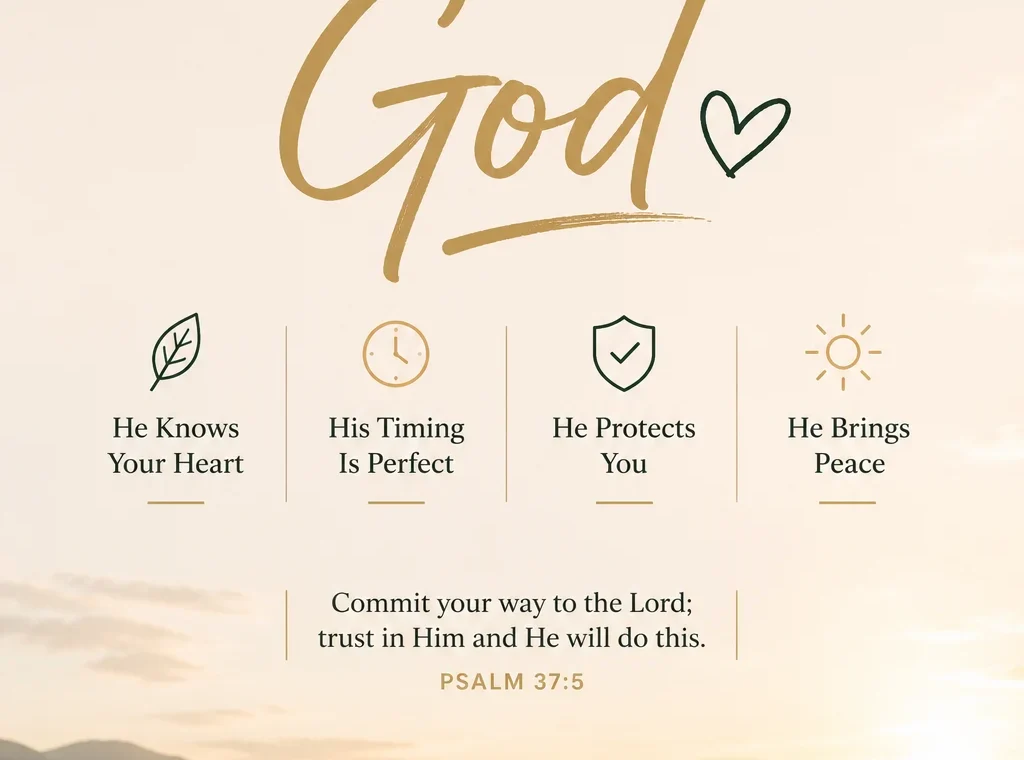
Life is full of uncertainty. Plans change, challenges appear without warning, and answers don’t always come as quickly as we’d like. That’s why many people choose to trust God—not because life becomes easy, but because they believe He remains faithful even when circumstances are difficult.
- Quick Answer
- What Does It Mean to Trust God?
- Why Trust Can Be Difficult
- Signs of Someone Who Relies on God
- Practical Ways to Grow in Faith
- 1. Spend Time in Prayer
- 2. Read Scripture Regularly
- 3. Remember Past Faithfulness
- 4. Practise Patience
- 5. Stay Connected to Community
- Trust Does Not Mean Doing Nothing
- Common Misconceptions
- Biblical Perspective
- Everyday Examples
- Benefits of Living With Faith
- Practical Tips for Daily Life
- Related Words and Expressions
- Frequently Asked Questions
- Is trusting God the same as having faith?
- Can someone trust God and still feel anxious?
- Does trusting God guarantee success?
- How can I strengthen my faith?
- Why does God allow difficult times?
- Can I question God and still have faith?
- Where should a beginner start?
For believers, this idea is more than positive thinking. It’s a daily decision to rely on God’s wisdom, character, and promises instead of fear or uncertainty. Whether you’re exploring faith or looking to strengthen it, understanding what this principle really means can bring clarity and peace.THE more information.Click here

Quick Answer
| Question | Short Answer |
|---|---|
| What does it mean to trust God? | It means relying on God’s character, wisdom, and timing, even when you don’t understand everything. |
| Is it the same as ignoring problems? | No. Faith encourages wise action while depending on God for guidance and strength. |
| Can trust grow over time? | Yes. Like any relationship, it develops through experience, prayer, reflection, and practice. |
| Why is it difficult? | Because uncertainty, fear, and limited understanding often challenge our confidence. |
What Does It Mean to Trust God?
To trust God is to place confidence in His wisdom, love, and faithfulness, even when life’s circumstances seem confusing or painful.
This doesn’t mean pretending everything is fine. Instead, it means believing that God sees a bigger picture than we do and that His purposes are ultimately good.
Many people describe this kind of faith as choosing confidence over fear, hope over despair, and patience over panic.
Why Trust Can Be Difficult
Even people with strong faith experience doubt.
Some common reasons include:
- Unexpected hardship
- Waiting for unanswered prayers
- Fear of the unknown
- Past disappointments
- Wanting immediate solutions
These experiences are normal. Trust isn’t the absence of questions—it’s choosing faith while seeking understanding.
Signs of Someone Who Relies on God
Although everyone’s spiritual journey is different, many believers display similar habits.
They often:
- Pray consistently.
- Seek wisdom before making major decisions.
- Read and reflect on Scripture.
- Remain hopeful during setbacks.
- Show gratitude even in difficult seasons.
- Continue acting with integrity when circumstances are challenging.
These habits don’t make someone perfect, but they often strengthen faith over time.
Practical Ways to Grow in Faith
Building deeper confidence in God happens gradually.
1. Spend Time in Prayer
Prayer creates space for honesty. You can express gratitude, ask questions, admit fears, and seek guidance.
2. Read Scripture Regularly
Many believers find encouragement by studying passages that reveal God’s character rather than only searching for quick answers.
3. Remember Past Faithfulness
Reflecting on previous experiences where things eventually worked out can strengthen confidence during new challenges.
4. Practise Patience
Waiting is rarely enjoyable, but spiritual growth often develops during seasons when answers are delayed.
5. Stay Connected to Community
Supportive friends, family members, or a faith community can provide encouragement and perspective.
Trust Does Not Mean Doing Nothing
A common misunderstanding is that faith means becoming passive.
In reality, many religious traditions encourage people to:
- Pray.
- Plan wisely.
- Work diligently.
- Seek good advice.
- Make responsible decisions.
Depending on God and taking practical action are not opposites—they often work together.
Common Misconceptions
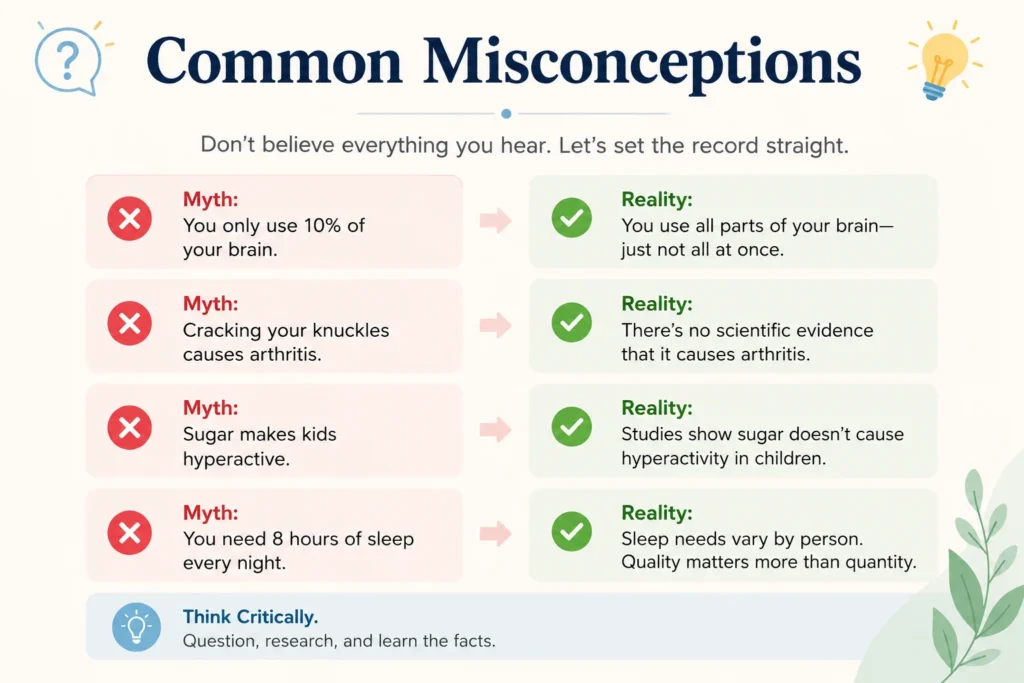
| Myth | Reality |
| Faith removes every problem. | Difficulties still happen, but people often find strength to face them. |
| Trust means never asking questions. | Honest questions can be part of genuine faith. |
| Waiting means doing nothing. | Waiting can include preparation, learning, and faithful action. |
| Strong believers never struggle. | Many respected figures in Scripture experienced fear, doubt, and hardship. |
Biblical Perspective
The Bible repeatedly encourages believers to place confidence in God rather than relying solely on human understanding.
One of the best-known passages is Proverbs 3:5–6, which encourages readers to trust in the Lord wholeheartedly while seeking His guidance.
Other passages throughout Psalms, Isaiah, and the New Testament remind believers that God’s character remains constant even when circumstances change.
Everyday Examples
Faith often appears in ordinary moments rather than dramatic ones.
For example:
- A student prepares thoroughly for an exam while praying for wisdom.
- Someone searching for work continues applying for jobs while believing opportunities will come.
- A family facing illness supports one another with hope and perseverance.
- A business owner makes ethical decisions despite financial pressure.
These examples show that relying on God often works alongside responsible action.
Benefits of Living With Faith
While challenges don’t disappear, many believers report lasting benefits.
These may include:
- Greater inner peace
- Increased resilience
- Hope during uncertainty
- Improved patience
- A stronger sense of purpose
- Confidence that circumstances do not define the future
Individual experiences differ, but these themes appear consistently in many personal testimonies.
Practical Tips for Daily Life
If you want to strengthen your faith, try these simple habits:
- Begin each morning with a short prayer.
- Read a small section of Scripture each day.
- Keep a gratitude journal.
- Write down answered prayers.
- Speak with mature believers when facing difficult decisions.
- Focus on today’s responsibilities rather than tomorrow’s worries.
Small, consistent habits often have a greater impact than occasional big efforts.
Related Words and Expressions
People discussing faith often use related expressions, including:
- Faith in God
- Depend on God
- Rely on the Lord
- Confidence in God
- Hope in God
- Walk by faith
- God’s guidance
- Divine providence
- Spiritual confidence
Although these phrases are similar, each highlights a slightly different aspect of the relationship between faith, dependence, and hope.
Frequently Asked Questions
Is trusting God the same as having faith?
They’re closely related. Faith is belief in God’s truth and character, while trust is putting that belief into action through daily decisions.
Can someone trust God and still feel anxious?
Yes. Many faithful people experience anxiety, fear, or uncertainty. Trust is often shown by continuing to rely on God despite those feelings.
Does trusting God guarantee success?
No. Scripture does not promise an easy life. Instead, it encourages confidence that God remains faithful through every season.
How can I strengthen my faith?
Regular prayer, reading Scripture, reflection, gratitude, and participation in a supportive faith community are common ways believers grow spiritually.
Why does God allow difficult times?
Different Christian traditions answer this question in different ways, but many agree that suffering can develop character, deepen dependence on God, and reveal His presence in unexpected ways.
Can I question God and still have faith?
Yes. The Bible includes many examples of faithful people asking honest questions while continuing to seek God with humility.
Where should a beginner start?
Many people begin by reading one of the Gospels, praying honestly, and learning alongside experienced believers in a local church or study group.
Rather than being a single emotional moment, learning to trust God is often a lifelong journey. It grows through experience, prayer, reflection, and perseverance. Challenges may not disappear, but many people discover greater peace and resilience by relying on God’s wisdom instead of their own understanding.
If you found this guide helpful, explore more SmartWording articles on faith-related expressions, biblical vocabulary, and the meanings behind common spiritual words and phrases to continue building your understanding.