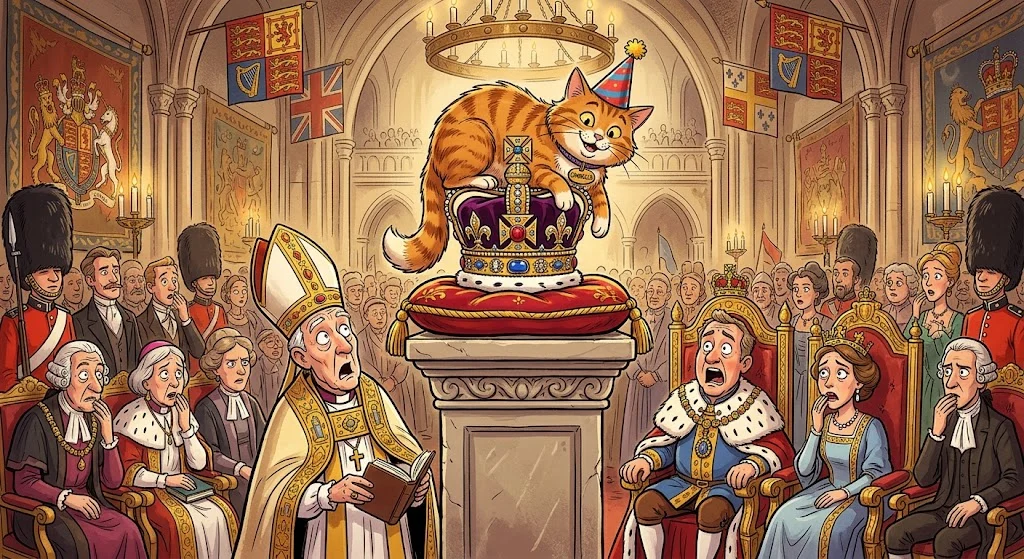
What does irreverent mean in English? “Irreverent” means showing a lack of respect toward something that is normally treated with seriousness, dignity, or respect.
- What Does Irreverent Mean?
- Irreverent Meaning in Simple English
- What Does Irreverent Mean in Different Contexts?
- Irreverent Humor
- Irreverent Attitude
- Irreverent Comment
- Irreverent Person
- Is Irreverent a Negative Word?
- Irreverent vs. Disrespectful
- Irreverent vs. Irrelevant
- Irreverent vs. Irreligious
- Synonyms for Irreverent
- Antonyms of Irreverent
- Examples of Irreverent in Sentences
- Common Phrases With Irreverent
- Where Does Irreverent Come From?
- Common Misunderstanding About Irreverent
- How to Use Irreverent Correctly
- Frequently Asked Questions
- What does irreverent mean in English?
- Is irreverent a bad word?
- What is an example of irreverent?
- What is the opposite of irreverent?
- Is irreverent the same as disrespectful?
- Is irreverent the same as irrelevant?
- What Does Irreverent Mean in English in Everyday Use?
- What Does Irreverent Mean When Describing Humor?
- What Does Irreverent Mean in Conversation?
- What Does Irreverent Mean in Writing?
- What Does Irreverent Mean in Religion?
- What Does Irreverent Mean When Describing a Person?
- What Does Irreverent Mean in a Negative Context?
- What Does Irreverent Mean Compared With Disrespectful?
- What Does Irreverent Mean Compared With Sacrilegious?
- What Does Irreverent Mean Compared With Irrelevant?
- Examples of Irreverent in Everyday Sentences
- What Does Irreverent Mean in Modern Usage?
- What Does Irreverent Mean in Different Situations?
- Irreverent Humor
- Irreverent Comedy
- Irreverent Writing
- Irreverent Attitude Toward Authority
- What Does Irreverent Mean in Religious Contexts?
- What Does Irreverent Mean in Professional Settings?
- What Does Irreverent Mean in Literature?
- What Does Irreverent Mean in Social Commentary?
- Irreverent Meaning in Popular Culture
- Is Irreverent the Same as Rude?
- Is Irreverent the Same as Sarcastic?
- What Does Irreverent Mean in a Positive Sense?
- What Does Irreverent Mean in a Negative Sense?
- Quick Guide to What Does Irreverent Mean in English?
- Final Thoughts
For example, an irreverent joke may make fun of a serious subject, religious tradition, authority figure, or respected institution.
The word does not always mean intentionally offensive. Depending on the situation, irreverent can suggest playful humor, boldness, criticism, or deliberate disrespect.MORE insights information:-greatly or spacecat .

What Does Irreverent Mean?
The simplest definition is:
“Irreverent” describes someone or something that does not show the expected respect toward a person, belief, institution, tradition, or serious subject.
For example:
“His irreverent sense of humor often surprised his teachers.”
This means his humor did not follow the usual expectations of respect or seriousness.
The tone can be negative, neutral, or even positive depending on context.
Irreverent Meaning in Simple English
In simple English, irreverent means “not showing the usual respect.”
An irreverent person may question authority, joke about serious subjects, or refuse to treat traditional ideas with the expected seriousness.
For example:
“She has an irreverent attitude toward traditional rules.”
This suggests that she does not treat those rules with the usual respect or seriousness.
What Does Irreverent Mean in Different Contexts?
Irreverent Humor
Irreverent humor makes jokes about subjects that are normally treated seriously or respectfully.
For example:
“The comedian is known for his irreverent humor.”
The joke might challenge social expectations, authority, traditions, or serious topics.
Irreverent humor can be entertaining to some people but offensive to others.
Irreverent Attitude
An irreverent attitude involves treating an established idea, authority, or tradition without the level of respect normally expected.
Example:
“His irreverent attitude toward the rules frustrated his supervisor.”
The word suggests more than simply being independent. It indicates a willingness to disregard conventional respect.
Irreverent Comment
An irreverent comment is a remark that treats a serious or respected subject in a humorous, dismissive, or disrespectful way.
Example:
“She made an irreverent comment during the formal ceremony.”
Whether the comment is funny or offensive depends on the audience and situation.
Irreverent Person
An irreverent person may question traditions, make unconventional jokes, or challenge authority.
Example:
“The writer has an irreverent personality and rarely follows conventional expectations.”
Being irreverent does not automatically mean someone is rude. It can sometimes describe a person who uses humor or criticism to challenge established ideas.
Is Irreverent a Negative Word?
Not always.
The meaning of irreverent depends heavily on context.
In a critical context, it can mean disrespectful or inappropriate.
Example:
“His irreverent remarks offended the audience.”
Here, irreverent has a clearly negative meaning.
But the word can also be used positively:
“The magazine has an irreverent style that makes serious topics easier to discuss.”
Here, irreverent suggests originality, humor, and a willingness to challenge convention.
Irreverent vs. Disrespectful
“Irreverent” and “disrespectful” are closely related, but they are not identical.
Disrespectful is a broad term for behavior that shows a lack of respect.
Irreverent specifically involves treating something that is normally regarded as serious, sacred, important, or authoritative with less respect than expected.
For example:
“His behavior toward his teacher was disrespectful.”
This simply indicates a lack of respect.
“His irreverent joke about the ceremony shocked the audience.”
This suggests that he treated a serious or formal occasion in an unconventional or disrespectful way.
Irreverent vs. Irrelevant
These two words are sometimes confused because they look and sound somewhat similar.
“Irreverent” means lacking the expected respect.
“Irrelevant” means unrelated or not important to the subject being discussed.
For example:
“His irreverent joke offended the audience.”
“His comment was irrelevant to the discussion.”
The meanings are completely different.
Irreverent vs. Irreligious
“Irreverent” and “irreligious” are also different.
Irreverent can refer to a lack of respect toward many things, including authority, traditions, institutions, celebrities, and serious subjects.
Irreligious generally refers to a lack of religious belief, religious practice, or connection to religion.
A person can be religious and still make an irreverent joke in a particular context.
Therefore, irreverent does not automatically mean anti-religious.
Synonyms for Irreverent
Depending on the context, possible synonyms include:
- Disrespectful
- Impudent
- Impertinent
- Insolent
- Unorthodox
- Unconventional
- Playful
- Mocking
- Cheeky
- Flippant
These words have different shades of meaning.
“Disrespectful” is more directly negative, while “unconventional” can be neutral or positive. “Cheeky” is often lighter and more playful.
Antonyms of Irreverent
Common antonyms include:
- Reverent
- Respectful
- Reverential
- Serious
- Dignified
- Devout
- Solemn
- Formal
The best opposite depends on the context.
For example:
“Irreverent humor” can contrast with “respectful humor.”
“Irreverent behavior” can contrast with “reverent behavior.”
Examples of Irreverent in Sentences
Here are some natural examples:
- “The comedian is famous for his irreverent jokes.”
- “Her irreverent comments challenged the traditional approach.”
- “The author uses an irreverent style to discuss serious subjects.”
- “His irreverent attitude toward authority made him unpopular with some teachers.”
- “The film takes an irreverent look at political traditions.”
- “Some viewers found the comedian’s irreverent humor offensive.”
- “The magazine has an irreverent tone but still addresses important issues.”
- “His irreverent remark broke the tension in the room.”
Common Phrases With Irreverent
Some natural expressions include:
- Irreverent humor
- Irreverent comedy
- Irreverent attitude
- Irreverent style
- Irreverent comment
- Irreverent joke
- Irreverent tone
- Irreverent approach
- Irreverent personality
- Irreverent treatment
These phrases generally describe something that challenges conventional expectations of seriousness or respect.
Where Does Irreverent Come From?
“Irreverent” comes from Latin roots connected with “revereri,” meaning “to stand in awe of” or “to respect.” The prefix “ir-” conveys negation, giving the word the sense of lacking reverence or respect.
The related word “reverent” describes someone who shows deep respect or admiration, particularly toward something considered sacred or important.
Common Misunderstanding About Irreverent
A common misunderstanding is that irreverent always means rude or offensive.
That is not necessarily true.
Something can be irreverent because it challenges conventions through humor or satire without being deliberately cruel.
For example:
“Her irreverent approach made the traditional subject more accessible.”
Here, the word is relatively positive.
However, an irreverent joke can also offend people when it targets something they consider sacred, personal, or deeply important.
How to Use Irreverent Correctly
Use irreverent when describing behavior, humor, comments, or styles that deliberately or casually move away from expected seriousness or respect.
For example:
Correct:
“The comedian’s irreverent humor challenged traditional ideas.”
Less precise:
“The comedian’s irrelevant humor challenged traditional ideas.”
Remember that “irreverent” concerns respect, while “irrelevant” concerns relevance.
Frequently Asked Questions
What does irreverent mean in English?
Irreverent means showing less respect than normally expected toward something considered serious, important, sacred, or authoritative.
Is irreverent a bad word?
No. Irreverent is not profanity. It can be negative when it means disrespectful, but it can also describe playful, humorous, unconventional, or bold behavior.
What is an example of irreverent?
“His irreverent joke about the formal ceremony surprised everyone.” The sentence describes humor that treats a serious occasion in a less respectful way.
What is the opposite of irreverent?
Common opposites include respectful, reverent, reverential, dignified, solemn, and serious.
Is irreverent the same as disrespectful?
They are related but not identical. Disrespectful is broader, while irreverent specifically suggests treating something normally regarded as serious or worthy of respect in a less respectful way.
Is irreverent the same as irrelevant?
No. Irreverent means lacking expected respect. Irrelevant means unrelated to the subject being discussed.
What Does Irreverent Mean in English in Everyday Use?
If you are asking, “What does irreverent mean in English?”, the simplest answer is that it describes someone or something that does not show the usual level of respect toward a serious, sacred, traditional, or authoritative subject.
The word can describe humor, comments, behavior, writing, attitudes, and styles. Its meaning is not automatically negative. Sometimes irreverent suggests playful boldness, while in other situations it means disrespectful or inappropriate.
What Does Irreverent Mean When Describing Humor?
Irreverent humor treats a serious or respected subject in an unexpected, playful, or disrespectful way.
For example:
“The comedian used irreverent humor to challenge traditional ideas.”
In this sentence, the humor does not follow conventional expectations about how the subject should be treated.
When asking what does irreverent mean in English in relation to comedy, think of humor that deliberately breaks the usual rules of seriousness or respect.
What Does Irreverent Mean in Conversation?
In conversation, an irreverent comment is one that treats a serious subject casually, humorously, or critically.
Example:
“His irreverent comment made everyone laugh during the formal meeting.”
The comment may be harmless in one group but inappropriate in another. The social setting matters.
An irreverent remark about a friend’s harmless habit may be playful, while an irreverent remark about someone’s deeply held beliefs may be offensive.
What Does Irreverent Mean in Writing?
Writers may use an irreverent style when they want to challenge traditional expectations or discuss serious subjects with humor.
For example:
“The columnist has an irreverent writing style.”
This means the writer does not always approach conventional subjects with a formal or respectful tone.
If you are wondering what does irreverent mean in English when reading a review, the word often describes a work that is unconventional, humorous, provocative, or deliberately disrespectful toward established ideas.
What Does Irreverent Mean in Religion?
In religious contexts, irreverent can have a particularly serious meaning.
An irreverent action, joke, or comment may treat something sacred without the respect normally expected by believers.
For example:
“The speaker was criticized for making an irreverent remark about a sacred tradition.”
Here, the word clearly carries a negative tone.
However, irreverent does not automatically mean anti-religious. A religious person can make an irreverent joke, and something can be irreverent toward a particular tradition without rejecting religion as a whole.
What Does Irreverent Mean When Describing a Person?
An irreverent person is someone who does not always follow conventional expectations of respect or seriousness.
Such a person might:
- Question authority
- Make unconventional jokes
- Challenge traditions
- Use sarcasm
- Treat formal situations casually
- Criticize established ideas
For example:
“Her irreverent personality made the classroom discussions more interesting.”
Here, irreverent can have a positive sense because it suggests confidence and willingness to challenge conventional thinking.
What Does Irreverent Mean in a Negative Context?
The word becomes negative when the lack of respect is considered inappropriate or offensive.
For example:
“His irreverent comments during the memorial ceremony upset several people.”
The issue is not simply that the comments were unusual. They violated the level of seriousness and respect expected for that occasion.
This is why understanding context is essential when asking what does irreverent mean in English.
What Does Irreverent Mean Compared With Disrespectful?
“Irreverent” and “disrespectful” overlap, but there is a useful distinction.
Disrespectful means showing a lack of respect.
Irreverent specifically suggests treating something that normally deserves respect, seriousness, or reverence in a less serious or respectful manner.
For example:
“His behavior toward his manager was disrespectful.”
This simply indicates poor manners or lack of respect.
“His irreverent joke about the company’s traditions surprised his coworkers.”
This focuses on his unconventional treatment of something considered important or established.
What Does Irreverent Mean Compared With Sacrilegious?
These words can overlap in religious contexts, but they are not exact synonyms.
Irreverent is broader and can apply to religion, authority, traditions, institutions, and serious subjects.
Sacrilegious is specifically associated with disrespect or violation involving something considered sacred.
For example:
“The comedian’s irreverent jokes targeted several social traditions.”
“The act was described as sacrilegious because it involved a sacred religious object.”
Therefore, not everything irreverent is sacrilegious.
What Does Irreverent Mean Compared With Irrelevant?
These words are easy to confuse because their spelling is similar.
Irreverent means lacking expected respect.
Irrelevant means unrelated to the topic or not useful to the discussion.
Compare:
“His irreverent joke offended the audience.”
“His comment was irrelevant to the question.”
Remember:
Irreverent = about respect.
Irrelevant = about relevance.
Examples of Irreverent in Everyday Sentences
Here are natural examples that make the meaning clearer:
- “The comedian has an irreverent sense of humor.”
- “Her irreverent comment challenged the traditional viewpoint.”
- “The film takes an irreverent approach to a familiar story.”
- “His irreverent attitude toward authority annoyed his supervisor.”
- “The writer is known for an irreverent style.”
- “Some readers enjoyed the book’s irreverent tone.”
- “The joke was considered irreverent by some members of the audience.”
- “His irreverent remark broke the tension during the discussion.”
These examples show that the word can range from playful and unconventional to genuinely disrespectful.
What Does Irreverent Mean in Modern Usage?
Modern usage often presents irreverent as a description of humor, entertainment, writing, or personalities that challenge conventional expectations.
The word can suggest:
- Boldness
- Humor
- Satire
- Nonconformity
- Unconventional thinking
- Disrespect
- Provocation
Not every irreverent example contains all of these qualities. The intended meaning depends on the context.
What Does Irreverent Mean in Different Situations?
Understanding what does irreverent mean in English becomes easier when you look at the situations where the word commonly appears. The meaning remains connected to a lack of expected respect, but the tone can change depending on the subject.
Irreverent Humor
Irreverent humor makes jokes about subjects that people normally treat seriously. It may challenge traditions, authority, social expectations, or formal conventions.
For example:
“The comedian’s irreverent humor challenged the audience’s expectations.”
Here, the humor is unconventional rather than necessarily offensive.
Irreverent Comedy
In comedy, irreverent often describes a style that deliberately ignores conventional boundaries of seriousness or politeness.
An irreverent comedian might joke about politics, traditions, celebrities, social rules, or other serious subjects.
When someone asks what does irreverent mean in English in a comedy review, it often means the comedy is bold, unconventional, provocative, or deliberately disrespectful.
Irreverent Writing
An author can have an irreverent writing style when they approach serious or traditional subjects with humor, sarcasm, or unconventional ideas.
Example:
“The author’s irreverent writing style makes the historical subject surprisingly entertaining.”
The word does not necessarily criticize the writer. It can simply describe an unconventional approach.
Irreverent Attitude Toward Authority
An irreverent attitude toward authority means that someone does not automatically treat authority figures or established rules with the expected seriousness.
For example:
“His irreverent attitude toward authority made him question every traditional rule.”
This can be positive when it encourages independent thinking, but it can also be negative when it becomes disrespectful.
What Does Irreverent Mean in Religious Contexts?
Religious contexts can give the word a stronger meaning.
Something may be described as irreverent when it treats a sacred belief, ritual, symbol, place, or figure without the level of respect expected by believers.
For example:
“The film contains an irreverent portrayal of a religious tradition.”
Some people may view such treatment as humorous or thought-provoking, while others may consider it offensive.
The important point is that what does irreverent mean in English does not automatically mean “anti-religious.” The word describes the manner in which something is treated, not necessarily the person’s complete beliefs.
What Does Irreverent Mean in Professional Settings?
In a workplace, irreverent behavior can mean treating formal rules, traditions, or authority in a casual or humorous way.
For example:
“His irreverent jokes were popular with his colleagues but not with management.”
Whether this behavior is acceptable depends on the workplace culture.
An irreverent comment in a relaxed creative environment may be harmless, while the same comment during a formal meeting may appear inappropriate.
What Does Irreverent Mean in Literature?
Literary critics may use irreverent to describe a writer, narrator, or work that challenges established conventions.
An irreverent novel might use humor to question social traditions or authority.
Example:
“The novel takes an irreverent look at social expectations.”
In literary discussion, the word can therefore be descriptive rather than insulting.
What Does Irreverent Mean in Social Commentary?
Social commentators may use an irreverent approach to question commonly accepted ideas.
For example:
“The columnist takes an irreverent approach to political traditions.”
Here, irreverent suggests a willingness to challenge conventional attitudes through humor or criticism.
It does not necessarily mean the writer intends to insult people.
Irreverent Meaning in Popular Culture
The word frequently appears in discussions of entertainment, comedy, films, television, books, and journalism.
For example:
“The show is known for its irreverent humor.”
This tells the reader that the show’s humor does not always follow traditional expectations about what subjects should be treated seriously.
The exact tone can range from playful to provocative.
Is Irreverent the Same as Rude?
No.
This distinction is important when understanding what does irreverent mean in English.
Rude generally describes behavior that lacks politeness or good manners.
Irreverent describes a lack of expected respect toward something considered serious, sacred, traditional, or authoritative.
A person can be irreverent without being personally rude.
For example:
“His irreverent joke about the tradition was unconventional.”
The joke may challenge the tradition without directly insulting another person.
Is Irreverent the Same as Sarcastic?
Not necessarily.
Sarcasm involves saying something that often means the opposite of the literal words, usually for humor, criticism, or mockery.
Irreverence concerns the level of respect shown toward a subject.
A sarcastic comment can be irreverent, but sarcasm is not automatically irreverent.
For example:
“Great job arriving an hour late.”
This could be sarcastic but not necessarily irreverent.
A joke that mocks a highly respected tradition could be both sarcastic and irreverent.
What Does Irreverent Mean in a Positive Sense?
Irreverent can have a positive meaning when it describes creativity, humor, independence, or willingness to question conventions.
For example:
“Her irreverent approach helped the team rethink an outdated process.”
Here, the word suggests that she was willing to challenge established expectations.
This positive use is especially common when discussing creative work or unconventional personalities.
What Does Irreverent Mean in a Negative Sense?
The word becomes negative when the lack of respect is inappropriate or hurtful.
For example:
“His irreverent remarks during the memorial were considered offensive.”
The context makes the negative meaning clear because a memorial normally calls for seriousness and respect.
This demonstrates why context matters more than the word alone.
Quick Guide to What Does Irreverent Mean in English?
| Context | Likely meaning |
|---|---|
| Irreverent humor | Humor that challenges seriousness or convention |
| Irreverent comment | A remark that treats a serious subject casually |
| Irreverent person | Someone who challenges expected respect or convention |
| Irreverent writing | Unconventional or provocative writing |
| Religious context | Treatment of something sacred without expected respect |
| Workplace context | Casual or challenging treatment of authority or tradition |
| Positive context | Bold, creative, unconventional |
| Negative context | Disrespectful, inappropriate, or offensive |
Final Thoughts
To understand what does irreverent mean in English, focus on the idea of treating something serious, respected, sacred, traditional, or authoritative with less respect than normally expected.
The word can describe humor, writing, people, comments, entertainment, and social criticism. It may suggest creativity and boldness in one context but disrespect in another.
For a related concept, see Reverence on Wikipedia.