
What does Ashura mean in Islam? Ashura refers to the 10th day of Muharram, the first month of the Islamic lunar calendar. It is an important day in Islamic tradition, associated with fasting, remembrance, worship, and major events in Islamic history.
- What Does Ashura Mean?
- Why Is Ashura Important in Islam?
- Ashura and Prophet Musa
- Ashura and Fasting
- Ashura in Sunni Islam
- Ashura in Shia Islam
- What Happened at Karbala?
- Is Ashura a Celebration?
- Is Ashura the Same as Muharram?
- How Do Muslims Observe Ashura?
- What Does Ashura Symbolize?
- Common Misunderstandings About Ashura
- When Is Ashura?
- Frequently Asked Questions
- What does Ashura mean in Islam?
- Why do Muslims fast on Ashura?
- What happened on Ashura?
- Is Ashura Sunni or Shia?
- Is Ashura a happy or sad day?
- Is Ashura the 10th of Muharram?
- What Does Ashura Mean in Islamic Tradition?
- What Does Ashura Mean for Sunni Muslims?
- What Does Ashura Mean for Shia Muslims?
- What Does Ashura Mean Spiritually?
- Ashura and the Story of Prophet Musa
- Ashura and the Battle of Karbala
- Is Ashura a Religious Holiday?
- Does Every Muslim Celebrate Ashura?
- Why Is Ashura Important?
- Common Misunderstandings About Ashura
- Ashura Is the Whole Month of Muharram
- All Muslims Observe Ashura in the Same Way
- Ashura Is Only About Karbala
- Ashura Is Only About Fasting
- What Does Ashura Mean in Simple Words?
- Frequently Asked Questions
- What does Ashura mean in Islam?
- Why is Ashura important to Shia Muslims?
- Why do Sunni Muslims fast on Ashura?
- Is Ashura a happy occasion?
- What day is Ashura?
- Final Thoughts
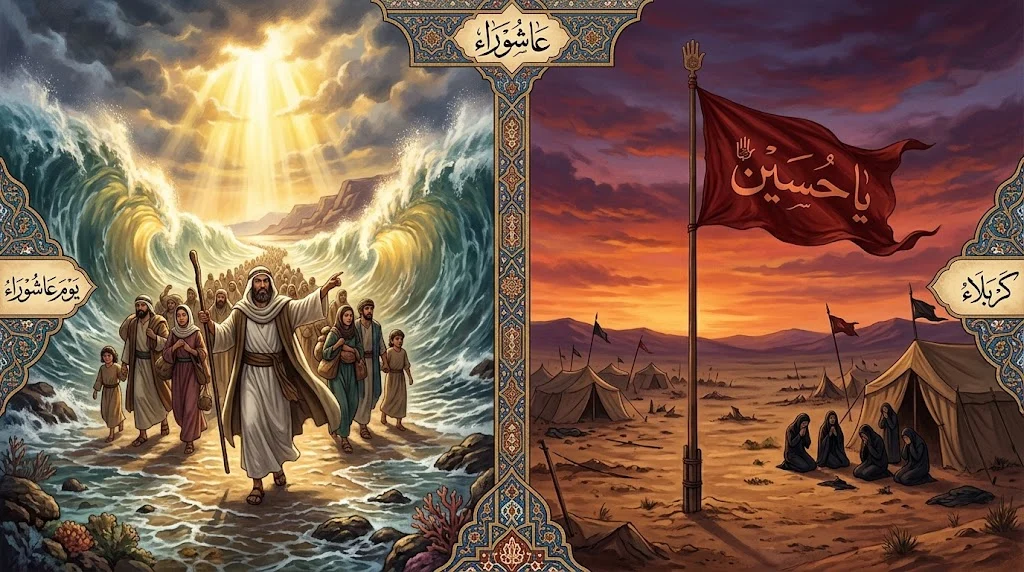
The significance of Ashura differs somewhat between Sunni and Shia Muslim traditions. For Sunni Muslims, the day is especially associated with fasting and the story of Prophet Musa (Moses) and the Israelites. For Shia Muslims, Ashura is particularly associated with the martyrdom of Imam Husayn at Karbala in 680 CE.more information:-spacecat or sackcloth .
What Does Ashura Mean?
The word Ashura comes from an Arabic term connected with the number ten. In Islamic practice, Ashura is the tenth day of Muharram. Muharram is one of the four sacred months in the Islamic calendar.
So, when someone asks, “What does Ashura mean in Islam?” the simplest answer is that Ashura is the tenth day of Muharram and a significant day of religious observance and remembrance.
It is not simply a festival with one universal form of celebration. Muslims observe the day in different ways depending on their tradition and community.
Why Is Ashura Important in Islam?
Ashura has several layers of historical and religious significance.
One important tradition connects the day with Prophet Musa and the Children of Israel being saved from Pharaoh. Islamic sources describe the Prophet Muhammad as observing fasting on Ashura and encouraging Muslims to fast.
Another major historical significance is the Battle of Karbala. On the 10th of Muharram in 61 AH, corresponding to 680 CE, Imam Husayn ibn Ali, the grandson of Prophet Muhammad, was killed at Karbala. This event became especially central to Shia remembrance of Ashura.
These traditions help explain why Ashura can carry both a spiritual and deeply historical meaning.
Ashura and Prophet Musa
One of the important questions surrounding what Ashura means in Islam concerns Prophet Musa.
According to Islamic tradition, the day is associated with the deliverance of Musa and the Children of Israel from Pharaoh. When Prophet Muhammad encountered the tradition of fasting associated with the day, he affirmed fasting on Ashura and encouraged Muslims to observe it.
For Muslims who observe Ashura through fasting, the day can therefore be a time for gratitude, worship, reflection, and remembrance of Allah’s help.
Ashura and Fasting
Fasting is one of the best-known practices associated with Ashura in Sunni Islamic tradition.
The 10th of Muharram is the Day of Ashura, and Muslims are encouraged to fast it. Many scholars also recommend fasting the 9th alongside the 10th. Some traditions discuss fasting the 10th and 11th as another option.
The additional fast is connected to a narration in which Prophet Muhammad expressed his intention to fast the ninth day as well as Ashura.
Therefore, fasting is an important part of understanding what Ashura means in Islam, particularly within Sunni practice.
Ashura in Sunni Islam
In Sunni Islam, Ashura is strongly associated with voluntary fasting and remembrance.
The day falls on the 10th of Muharram and is considered an important day for worship. Sunni Muslims may fast, pray, read the Quran, give charity, and spend time in personal reflection.
The emphasis on fasting comes from reports about Prophet Muhammad’s observance of Ashura.
However, practices can differ among Muslim communities, and not every Muslim observes the day in exactly the same way.
Ashura in Shia Islam
For Shia Muslims, Ashura has a particularly profound connection with the martyrdom of Imam Husayn at the Battle of Karbala.
Imam Husayn was the grandson of Prophet Muhammad. His death, together with the deaths of members and supporters of his family, is remembered as a defining event in Shia Islamic history.
Ashura is consequently a solemn day of mourning and remembrance in many Shia communities.
Observances can include gatherings, sermons, elegies, prayers, and other forms of remembrance. Practices vary between countries, communities, and religious traditions.
What Happened at Karbala?
The Battle of Karbala took place in Iraq during Muharram in 680 CE.
Imam Husayn and a relatively small group of family members and supporters faced forces associated with the Umayyad ruler Yazid. Imam Husayn was killed on the 10th of Muharram.
The event became deeply significant in Islamic history, particularly for Shia Muslims, because Husayn’s stand is remembered in connection with justice, sacrifice, resistance to oppression, and loyalty to religious principles.
These interpretations are especially important within Shia religious memory and should not be treated as though every Muslim community expresses Ashura in exactly the same way.
Is Ashura a Celebration?
Ashura is not universally understood as a celebration.
For many Sunni Muslims, the day is primarily associated with fasting, worship, and gratitude. For Shia Muslims, it is generally a solemn occasion of mourning and remembrance because of Imam Husayn’s martyrdom.
This difference is important when answering what Ashura means in Islam because the day has multiple layers of significance across Muslim traditions.
Is Ashura the Same as Muharram?
No.
Muharram is the entire first month of the Islamic lunar calendar.
Ashura is the 10th day of Muharram.
In other words, Ashura occurs within Muharram rather than being a separate Islamic month.
Muharram itself is one of the four sacred months in Islam.
How Do Muslims Observe Ashura?
Observance varies according to religious tradition and local culture.
Some Muslims may:
- Fast on the 10th of Muharram.
- Fast on the 9th and 10th.
- Spend additional time in prayer and worship.
- Read the Quran.
- Give charity.
- Reflect on important events in Islamic history.
- Attend religious gatherings or remembrance ceremonies.
Shia communities may additionally hold mourning gatherings and commemorations focused on Imam Husayn and Karbala.
There is therefore no single cultural practice that represents every Muslim’s experience of Ashura.
What Does Ashura Symbolize?
Ashura can represent different themes depending on the Islamic tradition and context.
For Muslims reflecting on the story of Musa, it may represent faith, deliverance, gratitude, and reliance on Allah.
For Shia Muslims remembering Karbala, Ashura may represent sacrifice, courage, justice, loyalty, and resistance to oppression.
These symbolic meanings should be understood within their respective religious traditions rather than treated as universal interpretations shared identically by every Muslim.
Common Misunderstandings About Ashura
One common misunderstanding is that all Muslims observe Ashura in exactly the same way.
They do not.
Sunni and Shia traditions place different emphasis on the day. Sunni observance commonly highlights fasting, while Shia observance places major emphasis on mourning and remembering Imam Husayn and Karbala.
Another misunderstanding is that Ashura refers to the whole month of Muharram. It does not. Ashura specifically refers to the 10th day of Muharram.
A further misunderstanding is that Ashura is simply an Islamic holiday comparable to Eid. Its religious character and observance are different, and the day can be solemn rather than celebratory.
When Is Ashura?
Ashura occurs every year on the 10th day of Muharram according to the Islamic lunar calendar.
Because the Islamic calendar is lunar, the corresponding date on the Gregorian calendar changes from year to year. For example, in 2026, the Day of Ashura was listed as June 25 in one UK Islamic calendar, corresponding to 10 Muharram 1448. Local dates can vary depending on moon-sighting practices.
Frequently Asked Questions
What does Ashura mean in Islam?
Ashura means the 10th day of Muharram, the first month of the Islamic lunar calendar. It is an important day associated with fasting, worship, remembrance, and major events in Islamic history.
Why do Muslims fast on Ashura?
Muslims, particularly in Sunni tradition, fast on Ashura because of reports that Prophet Muhammad observed the fast and encouraged Muslims to observe it. Many scholars recommend fasting the 9th and 10th of Muharram together.
What happened on Ashura?
Ashura is associated with the deliverance of Prophet Musa and the Israelites from Pharaoh in Islamic tradition. It is also the day on which Imam Husayn was martyred at Karbala in 680 CE, an event of profound importance in Shia Islam.
Is Ashura Sunni or Shia?
Ashura is observed by both Sunni and Shia Muslims, but its emphasis differs. Sunni observance commonly emphasizes fasting, while Shia observance places particular emphasis on mourning Imam Husayn and remembering Karbala.
Is Ashura a happy or sad day?
It depends on the tradition and the aspect being emphasized. Sunni Muslims may approach it as a day of fasting and spiritual reflection, while Shia Muslims generally observe it as a solemn day of mourning for Imam Husayn.
Is Ashura the 10th of Muharram?
Yes. Ashura refers specifically to the 10th day of Muharram.
What Does Ashura Mean in Islam? Deeper Meaning and Religious Significance
If you are asking what does Ashura mean in Islam, the answer goes beyond simply identifying a date on the Islamic calendar. Ashura is the 10th day of Muharram, and it carries important religious and historical significance for Muslims.
The meaning of Ashura differs depending on Islamic tradition. Sunni Muslims commonly associate the day with fasting and the remembrance of Prophet Musa (Moses), while Shia Muslims place particular emphasis on the martyrdom of Imam Husayn at Karbala.
What Does Ashura Mean in Islamic Tradition?
To understand what does Ashura mean in Islam, it helps to look at its place within the Islamic calendar.
Muharram is the first month of the Islamic lunar calendar and is considered one of the four sacred months in Islam. Ashura occurs on its tenth day.
The term is connected with the Arabic number ten, reflecting its position as the tenth day of Muharram.
Ashura is therefore both a specific date and a day with religious meaning. Its significance comes from traditions, acts of worship, remembrance, and historical events associated with it.
What Does Ashura Mean for Sunni Muslims?
For Sunni Muslims, one of the central aspects of Ashura is fasting.
Islamic traditions report that Prophet Muhammad observed the fast of Ashura and encouraged Muslims to observe it. Many Muslims also fast on the ninth day of Muharram alongside the tenth.
For this reason, when considering what does Ashura mean in Islam from a Sunni perspective, concepts such as worship, gratitude, fasting, and spiritual reflection are particularly relevant.
A person observing Ashura may spend the day fasting, praying, reading the Quran, making supplication, or engaging in other acts of worship.
What Does Ashura Mean for Shia Muslims?
The answer to what does Ashura mean in Islam is especially significant within Shia Islam because of the events of Karbala.
Imam Husayn ibn Ali, the grandson of Prophet Muhammad, was killed at Karbala on the 10th of Muharram in 680 CE. His martyrdom became a central event in Shia religious memory.
Ashura is therefore observed by many Shia Muslims as a solemn day of mourning and remembrance.
Religious gatherings, sermons, poetry, elegies, prayers, and other commemorative practices may take place. The exact customs differ between communities and regions.
What Does Ashura Mean Spiritually?
The spiritual meaning of Ashura can vary according to the tradition and the individual observing it.
For Muslims who emphasize the story of Prophet Musa, Ashura can be associated with gratitude for divine deliverance and trust in Allah.
For Shia Muslims reflecting on Karbala, Ashura can be associated with sacrifice, courage, loyalty, justice, and remembrance.
These interpretations should not be presented as universal meanings shared identically by every Muslim. Religious understanding can differ between traditions and communities.
Ashura and the Story of Prophet Musa
Another important part of understanding what does Ashura mean in Islam is the connection with Prophet Musa.
Islamic tradition relates Ashura to the deliverance of Musa and the Children of Israel from Pharaoh. Reports about the Prophet Muhammad’s observance of the day connect this event with the practice of fasting.
For Muslims who observe the fast, the story can provide an opportunity to reflect on faith, gratitude, perseverance, and reliance upon Allah.
The focus is therefore not merely on abstaining from food and drink. Fasting can also encourage spiritual discipline and reflection.
Ashura and the Battle of Karbala
The Battle of Karbala is central to the Shia understanding of Ashura.
In 680 CE, Imam Husayn and his companions were confronted by forces associated with the Umayyad ruler Yazid. Husayn was killed on the 10th of Muharram.
His death became one of the most significant events in Shia history.
For many Shia Muslims, remembering Karbala on Ashura is a way of remembering Husayn’s sacrifice and reflecting on themes such as justice, moral courage, faith, and opposition to oppression.
This is one reason Ashura can have an especially solemn character in Shia communities.
Is Ashura a Religious Holiday?
Ashura is an important religious observance, but it should not simply be described as an Islamic holiday in the same sense as Eid al-Fitr or Eid al-Adha.
Its observance differs considerably among Muslim communities.
Some Muslims primarily observe Ashura through fasting and worship. Others, particularly Shia communities, observe it through mourning and commemorative gatherings.
This difference is essential when explaining what does Ashura mean in Islam because there is no single cultural practice that represents every Muslim.
Does Every Muslim Celebrate Ashura?
No.
The word “celebrate” can also be misleading because Ashura is not generally understood as a celebratory occasion by all Muslims.
Sunni Muslims may treat the day as an opportunity for voluntary fasting and worship.
For many Shia Muslims, it is a solemn day of mourning for Imam Husayn.
Individual practices can also vary according to family, community, country, and religious interpretation.
Why Is Ashura Important?
Ashura is important because it connects religious practice with Islamic history and remembrance.
For some Muslims, its importance is expressed through fasting and gratitude. For others, especially Shia Muslims, its importance is strongly connected with Karbala and the martyrdom of Imam Husayn.
This combination of worship and historical remembrance gives Ashura a distinctive place in the Islamic calendar.
Common Misunderstandings About Ashura
Ashura Is the Whole Month of Muharram
This is incorrect.
Muharram is the month. Ashura is the 10th day of that month.
All Muslims Observe Ashura in the Same Way
They do not.
Different Islamic traditions place different emphasis on the day.
Ashura Is Only About Karbala
Karbala is central to Shia remembrance of Ashura, but it is not the only historical or religious association connected with the day.
Sunni traditions place significant emphasis on fasting and the story of Prophet Musa.
Ashura Is Only About Fasting
Fasting is important in Sunni observance, but Ashura has broader religious and historical significance.
What Does Ashura Mean in Simple Words?
In simple terms, what does Ashura mean in Islam can be answered this way:
Ashura is the 10th day of Muharram. It is a significant day of worship, fasting, remembrance, and reflection. Sunni Muslims commonly associate it with fasting and the story of Prophet Musa, while Shia Muslims particularly remember the martyrdom of Imam Husayn at Karbala.
The exact way people observe Ashura depends on their Islamic tradition and community.
Frequently Asked Questions
What does Ashura mean in Islam?
Ashura is the 10th day of Muharram, the first month of the Islamic lunar calendar. It is significant because of religious traditions concerning fasting and major events in Islamic history.
Why is Ashura important to Shia Muslims?
For many Shia Muslims, Ashura commemorates the martyrdom of Imam Husayn at Karbala. It is therefore a solemn day of mourning and remembrance.
Why do Sunni Muslims fast on Ashura?
Sunni Muslims may fast on Ashura because Islamic traditions report that Prophet Muhammad observed and encouraged fasting on this day. Many also observe a fast on the ninth day.
Is Ashura a happy occasion?
Not universally. Sunni observance may focus on fasting and worship, while Shia observance is generally solemn because of the remembrance of Imam Husayn’s martyrdom.
What day is Ashura?
Ashura is the 10th day of Muharram in the Islamic lunar calendar.
Final Thoughts
When asking what does Ashura mean in Islam, it is important to remember that Ashura has more than one dimension. It is the 10th day of Muharram, a day associated with fasting and remembrance, and a profoundly significant day in Shia memory because of Karbala.
Learning about Muharram also provides useful context because Ashura occurs within this sacred month.